Understanding Timber Fascias: Design, Benefits, and Maintenance
Timber fascias play a crucial function in the architectural visual appeals and structural stability of a structure. These horizontal boards set up at the edge of roofing eaves not just enhance the visual appeal of a structure but also serve practical purposes vital for its longevity. This article dives into the significance of timber fascias, the product options readily available, and vital maintenance practices to ensure they stand the test of time.
What is a Timber Fascia?
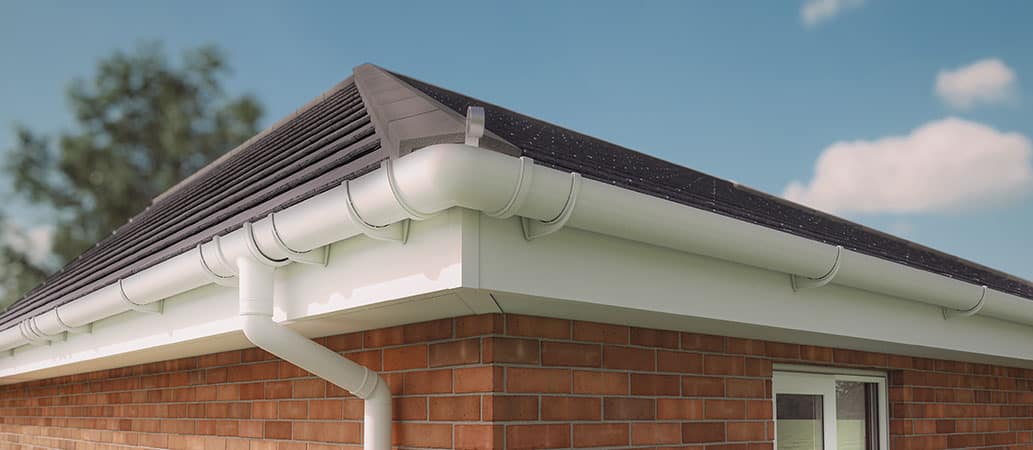
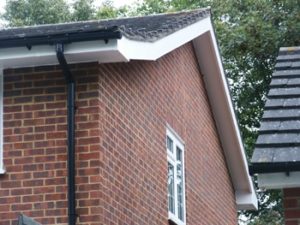
A timber fascia is a long, straight board that runs along the roofing system's edge, typically underneath the overhanging edge of the roofing system. It prevails in both domestic and business structures and is often painted or stained to match the overall architectural design. By covering completions of rafters and providing a finished seek to the roofline, timber fascias enhance curb appeal while providing significant practical advantages.
Secret Functions of Timber Fascias:
Protection of Roof Structures: Timber fascias avoid wetness from getting in the roof system, protecting rafters and underlayment from decay and rot.
Visual Appeal: The fascia board provides an ornamental surface to the structure, connecting in with the overall design style.
Support for Gutters: Fascias provide an anchor point for gutter systems, guaranteeing the safe and effective drain of rainwater.
Vermin Deterrent: By covering the rafter ends, fascias aid to keep critters from nesting in cavities that could form in the roofing's structure.
Material Options for Timber Fascias
When selecting materials for timber fascias, several choices are offered, each with unique advantages. Below is a breakdown of the most typical products utilized:
| Material | Advantages | Drawbacks |
|---|---|---|
| Softwood | Cost-efficient, light-weight | Prone to warping and decay if without treatment |
| Hardwood | Long lasting, dense, and visually pleasing | More costly, much heavier to deal with |
| Engineered Wood | Resistant to moisture and insects | Limited natural appearance compared to strong wood |
| Composite | Durable and low maintenance | Can appear less genuine in design |
Benefits of Timber Fascias
Timber fascias supply numerous benefits that contribute to both functionality and aesthetic appeals. Here are some of the main advantages:
Aesthetic Versatility: Timber fascias can be stained, painted, or left natural to match a building's style.
Sustainability: The use of properly sourced timber can add to sustainable structure practices.
Reduce of Installation: Timber fascias are fairly simple to install, making them a popular option among contractors and professionals.
Customization: Timber can be easily shaped and cut to fit distinct architectural styles.
Insulation Properties: Timber has natural insulation homes, assisting enhance the energy effectiveness of a home.
Maintenance of Timber Fascias
While timber fascias are attractive and functional, they do require routine maintenance to make sure longevity. Below are important maintenance tips to keep them in prime condition:
Regular Inspection:
- Check for indications of decay, rot, or damage at least twice a year, especially after serious weather condition.
Cleaning:
- Clean the fascias with a soft brush or fabric to get rid of dirt, gunk, and mildew. Avoid utilizing severe chemicals that can damage the finish.
Protective Coating:
- Reapply protective finishings, such as paint or stains, every couple of years to keep appearance and secure wood from wetness.
Seal Cracks:
- Fill any cracks or spaces to prevent moisture ingress, which can cause wood degeneration.
Examine for Pests:
- Look for signs of insects, such as woodpecker holes or insect tracks. Quickly deal with any concerns to prevent structural damage.
Frequently Asked Questions About Timber Fascias
Q1: What wood species are frequently utilized for timber fascias?A1: Commonly utilized wood
types consist of pine, cedar, and redwood due to their sturdiness and attractive appearance. Q2: How frequently do I need to keep my timber fascias?A2: Regular evaluations must be done at least biannually, with cleaning and protective coating checks brought out every 1-3 years depending upon the wood type and finish. Q3: Can I set up timber fascias myself?A3: While skilled DIY lovers may have the ability to set up timber fascias, it is recommended to hire a professional for optimal results, particularly concerning fitting and sealing. Q4: What finishes are best for timber fascias?A4: Weather-resistant paints and stains that permit the wood to breathe are recommended to protect against moisture and UV damage.Q5: Are timber fascias environmentally friendly?A5: When sourced from sustainably managed forests, timber fascias can be an environmentally friendly structure choice. Timber fascias are not simply aesthetic additions to your home's architecture
; they are vital parts that safeguard vital roofing structures and improve total beauty. Understanding the product options, benefits, and maintenance requirements will direct homeowners and
builders in making informed choices. By investing time and care into timber fascias, one can ensure their continued functionality and visual appeal for years to come.