Personal planes, often referred to as general aviation aircraft, represent a unique and fascinating segment of the aviation industry. These aircraft are primarily used for personal, recreational, or business travel, providing an alternative to commercial airlines. The following report delves into the various types of personal planes, their benefits, costs, and the future of personal aviation.
Types of Personal Planes
- Light Sport Aircraft (LSA):
Light Sport Aircraft are designed for simplicity and ease of use. They typically have a maximum takeoff weight of 1,320 pounds and are limited to two seats. In case you loved this article and you want to receive more information regarding
worldclassjets private aviation reviews i implore you to visit our own web-site. LSAs are popular among recreational pilots due to their affordability and lower operating costs. They do not require a traditional pilot’s license; instead, a sport pilot certificate suffices.
- Single-Engine Planes:
These are the most common type of personal aircraft. They are versatile, relatively easy to fly, and can be used for a variety of purposes, from leisure flying to flight training. Popular models include the Cessna 172 and the Piper Cherokee. Single-engine planes are known for their reliability and efficiency.
- Multi-Engine Planes:
Multi-engine aircraft are typically used for more advanced flying and can carry more passengers and cargo. They require a higher level of pilot certification due to the increased complexity of operating two engines. Examples include the Beechcraft Baron and the Piper Navajo.
- Business Jets:
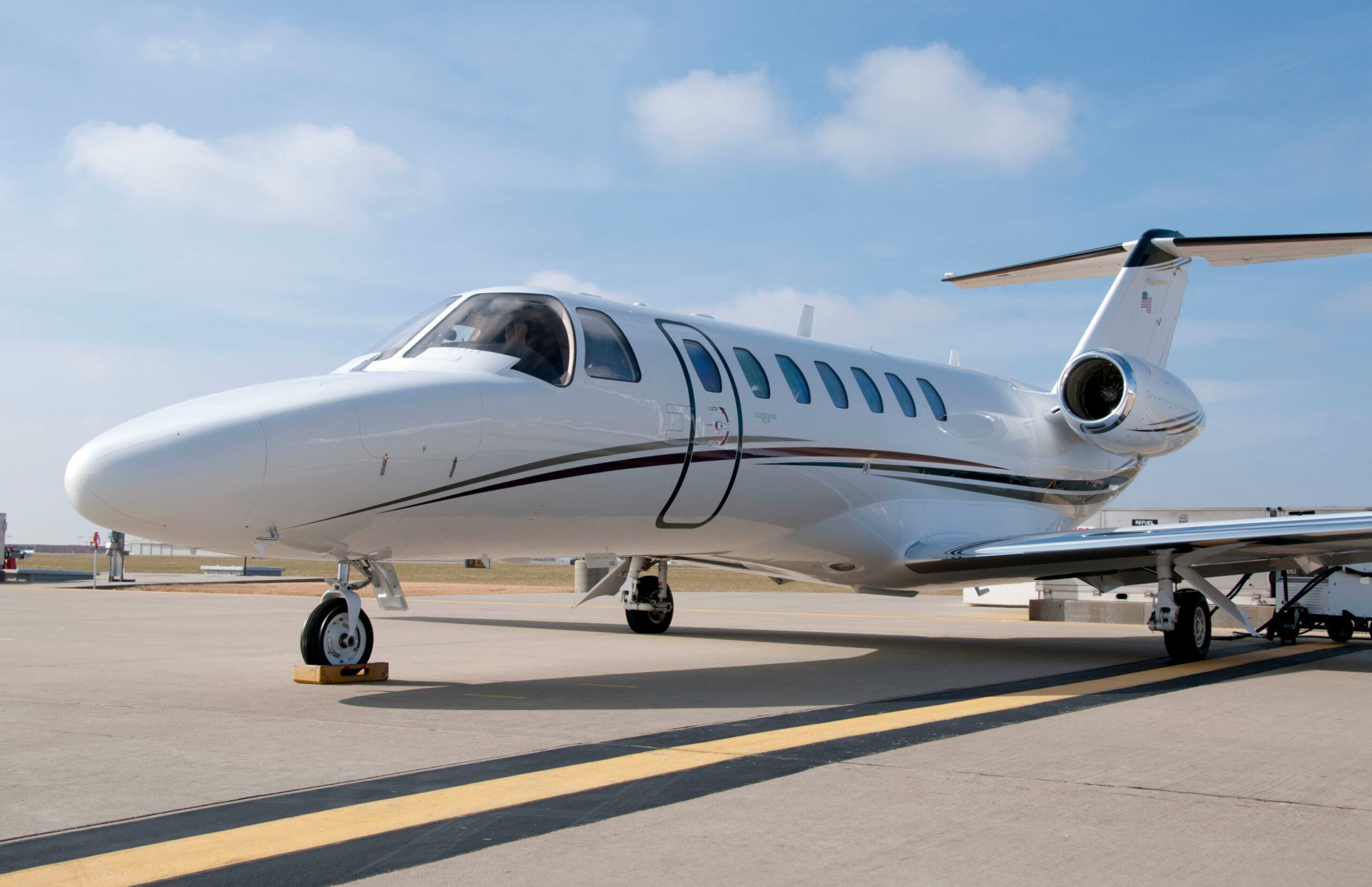
For those who prioritize speed and comfort, business jets are a popular choice. These aircraft can range from small jets that seat a few passengers to larger models that can accommodate a full business team. They offer amenities such as spacious cabins, in-flight entertainment, and sometimes even sleeping quarters. Brands like Gulfstream and Bombardier are leaders in this category.
- Helicopters:
While not planes in the traditional sense, helicopters are a significant part of personal aviation. They offer the unique ability to land in confined spaces and can be used for various purposes, including personal transport, aerial photography, and medical emergencies.
Benefits of Owning a Personal Plane
- Time Efficiency:
One of the primary advantages of personal planes is the time saved in travel. Owners can bypass the long security lines and delays typically associated with commercial flights. They can fly directly to their destination, often landing at smaller airports closer to their final destination.
- Flexibility:
Personal planes provide unmatched flexibility in travel plans. Owners can choose their departure times, destinations, and even routes, allowing for spontaneous trips or changes to itineraries without penalty.
- Privacy and Comfort:
Flying in a personal plane ensures a higher level of privacy and comfort compared to commercial flights. Owners can travel with family, friends, or colleagues without the presence of strangers, and enjoy a more relaxed flying environment.
- Access to Remote Locations:
Many personal planes can land at smaller airports or even unpaved airstrips, providing access to remote locations that may not be reachable by commercial airlines. This is particularly beneficial for business owners or individuals with second homes in secluded areas.
Costs of Owning a Personal Plane
Owning a personal plane comes with significant upfront and ongoing costs.
- Purchase Price:
The cost of personal planes can vary widely. Light Sport Aircraft can be purchased for as little as $15,000, while a new business jet can cost millions of dollars. The choice of aircraft significantly impacts the overall investment.
- Operating Costs:
Operating costs include fuel, maintenance, insurance, and hangar fees. Fuel costs can vary based on the type of aircraft and the distance traveled. Maintenance is crucial for safety and can be expensive, especially for older planes. Insurance premiums also vary based on the aircraft's value and the pilot's experience.
- Financing and Depreciation:
Many buyers finance their aircraft, and interest rates can affect overall costs. Additionally, planes can depreciate in value, with some models losing a significant percentage of their value over time.
- Pilot Training:
If the owner plans to pilot the aircraft themselves, they will need to invest in training and certification. This can be a substantial cost, depending on the type of license required and the training program selected.
The Future of Personal Aviation
The future of personal aviation is poised for growth and innovation. Several trends are shaping the industry:
- Electric and Hybrid Aircraft:
With increasing environmental concerns, there is a growing interest in electric and hybrid aircraft. These planes promise lower operating costs and reduced carbon footprints, making them appealing to environmentally conscious buyers.
- Urban Air Mobility:
The concept of urban air mobility (UAM) involves using small aircraft to transport people within urban areas. This could alleviate traffic congestion and provide a new mode of transportation. Companies like Uber and various startups are exploring this potential.
- Advanced Air Mobility:
This includes the development of autonomous and semi-autonomous aircraft, which could revolutionize personal aviation by making flying more accessible and reducing the need for extensive pilot training.
- Increased Accessibility:
As technology advances, personal planes are becoming more affordable and accessible to a broader audience. Innovations in manufacturing and materials are reducing costs, making it easier for individuals to own and operate their aircraft.
Conclusion
Personal planes represent a unique facet of aviation, offering flexibility, convenience, and a sense of freedom that commercial flights cannot provide. While the costs associated with ownership can be significant, the benefits often outweigh the financial considerations for many individuals. As the industry continues to evolve, advancements in technology and a focus on sustainability will likely shape the future of personal aviation, making it an exciting space to watch for enthusiasts and potential owners alike.


