In recent years, the concept of personal planes has gained significant traction among affluent individuals, businesses, and aviation enthusiasts. The allure of flying privately offers a unique combination of convenience, luxury, and efficiency that commercial aviation often cannot provide. This article delves into the world of personal planes, exploring their types, benefits, costs, and considerations for potential owners.
What are Personal Planes?
Personal planes, often referred to as private jets or general aviation aircraft, are aircraft that are owned or chartered by individuals or corporations for personal use. Unlike commercial airlines, which operate scheduled flights for the general public, personal planes offer flexibility in scheduling, destinations, and privacy. They can range from small single-engine aircraft to large business jets capable of transcontinental flights.
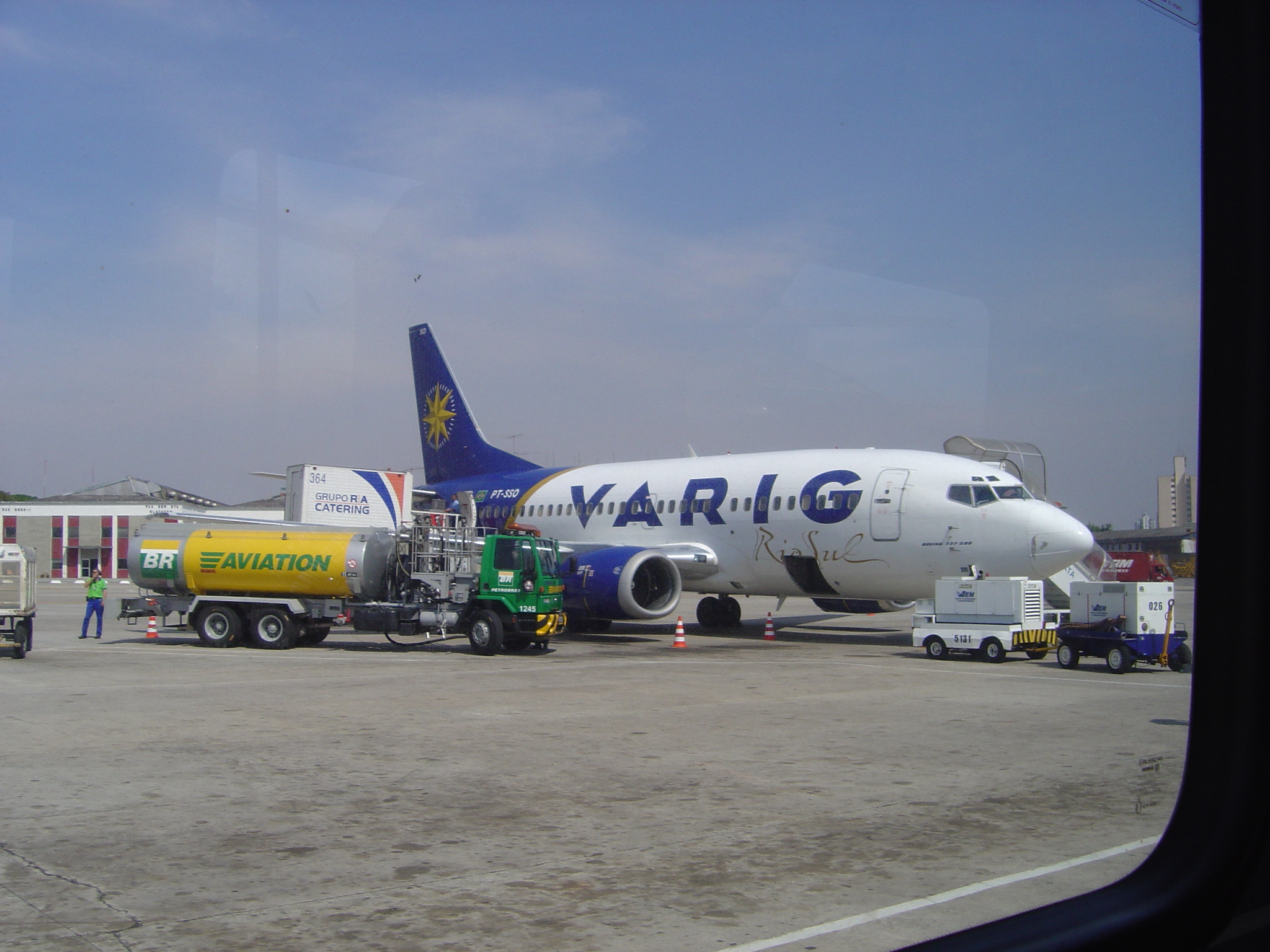
Types of Personal Planes
- Light Jets: These are small jets that typically seat 4 to 8 passengers. They are ideal for short to medium-haul flights and are favored for their affordability and efficiency. Examples include the Cessna Citation Mustang and the Embraer Phenom 100.
Midsize Jets: Midsize jets accommodate 6 to 9 passengers and offer a balance of range and comfort. They are suitable for flights of several hours and often include more amenities than light jets. Notable models include the Hawker 800 and the Learjet 60.
Heavy Jets: These larger jets can carry 10 to 20 passengers and are designed for long-range travel. They offer luxurious interiors, advanced technology, and ample space for passengers. Examples include the Gulfstream G550 and the Bombardier Global 6000.
Turboprop Aircraft: These planes use a turbine engine to drive a propeller and are known for their efficiency on shorter flights. They are often used for regional travel and can land on shorter runways. The Beechcraft King Air is a popular model in this category.
Helicopters: While not planes in the traditional sense, helicopters are often included in the personal aviation conversation. They provide unique advantages for short-distance travel, especially in urban environments, where they can bypass traffic and reach destinations quickly.
Benefits of Owning or Chartering a Personal Plane
- Time Efficiency: One of the most significant advantages of personal planes is the time saved. Travelers can avoid long security lines, layovers, and delays associated with commercial flights. With a private plane, you can arrive just minutes before departure and fly directly to your destination.
Flexibility: Personal aviation offers unparalleled flexibility in scheduling and routing. Owners can choose when to fly and where to go, often accessing smaller airports that are closer to their final destinations.
Privacy and Comfort: Traveling on a personal plane provides a level of privacy and comfort that commercial flights cannot match. Passengers can conduct business meetings, relax, or enjoy quality time with family and friends without the distractions of a crowded cabin.
Access to Remote Locations: Many personal planes can land at smaller airports or remote locations, making it easier to reach destinations that may not be serviced by commercial airlines.
Customization: Owners can customize their aircraft to meet specific needs, from interior design to onboard amenities, ensuring a personalized travel experience.
The Costs of Personal Planes
Owning or chartering a personal plane comes with significant costs that potential buyers must consider:
- Purchase Price: The initial cost of acquiring a personal plane can vary widely depending on the type and model. Light jets may cost between $3 million to $8 million, while heavy jets can range from $10 million to over $70 million.
Operating Costs: Beyond the purchase price, owners must account for ongoing operating costs, including fuel, maintenance, insurance, and crew salaries. Operating costs can range from $500 to $2,500 per flight hour, depending on the aircraft.
Hangar Fees: Storing a personal plane at an airport requires hangar space, which can add to the overall cost. Fees vary based on location and the size of the aircraft.
Depreciation: Like any vehicle, personal planes depreciate over time. If you liked this article and you also would like to receive more info pertaining to
private air charter nicely visit our own site. Owners should consider the potential resale value when purchasing an aircraft.
Charter Costs: For those who prefer not to own a plane, chartering can be an alternative. Charter costs can vary based on the aircraft type, flight duration, and additional services, typically ranging from $1,200 to $15,000 per flight hour.
Considerations for Potential Owners
- Purpose of Use: Before investing in a personal plane, individuals should assess their travel needs. Understanding how often and for what purposes the aircraft will be used can help determine the type of plane that best fits their lifestyle.
Financing Options: Many buyers explore financing options, including loans and leasing arrangements, to make ownership more feasible. Consulting with financial advisors and aviation experts can provide insight into the best approach.
Regulatory Compliance: Owning a personal plane comes with regulatory responsibilities, including adherence to aviation laws and maintenance standards. Owners must be familiar with the Federal Aviation Administration (FAA) regulations and ensure their aircraft meets safety standards.
Management Services: Many owners opt for management companies that handle the operational aspects of aircraft ownership, including maintenance, staffing, and scheduling. This can alleviate the burden of day-to-day management.
Environmental Impact: As concerns about climate change grow, potential owners should consider the environmental impact of personal aviation. Some companies are exploring sustainable aviation fuels and electric aircraft as alternatives to reduce carbon footprints.
Conclusion
Personal planes represent a unique intersection of luxury and practicality in the world of aviation. While they come with substantial costs and responsibilities, the benefits of time savings, flexibility, and comfort make them an attractive option for many. Whether for business, leisure, or a combination of both, understanding the nuances of personal aviation can help individuals make informed decisions about their travel needs. As the aviation industry continues to evolve, personal planes will likely remain a significant aspect of how we think about travel and mobility.


